Why Recognition Matters More Than You Think
In boardrooms, classrooms, and playing fields across the world, a curious phenomenon occurs: a simple trophy or award can fundamentally change human behavior. But why do these physical symbols of achievement hold such power over our motivation and performance?
The answer lies deep within our neurological wiring and social psychology. Understanding the science behind employee recognition, sports awards, and achievement trophies reveals why recognition programs aren't just nice gestures—they're strategic tools that reshape workplace culture, boost team performance, and drive extraordinary results.
The Neuroscience of Awards: Your Brain on Recognition
When someone receives an award or trophy, their brain lights up like a fireworks display. Neuroimaging studies reveal that recognition activates the ventral striatum, the brain's reward center, triggering a dopamine release comparable to winning money or receiving unexpected gifts.
This dopamine surge creates a powerful feedback loop:
Recognition → Dopamine Release → Pleasure & Motivation → Repeated Behavior → More Achievement
Dr. Adam Grant's research at Wharton School demonstrates that meaningful recognition increases productivity by up to 50% and reduces turnover by 31%. The trophy on your shelf isn't just gathering dust—it's a tangible reminder that reactivates this neural reward pathway every time you see it.
The Trophy Effect: Physical vs. Digital Recognition
While digital badges and virtual awards have their place, research shows that physical trophies and awards create stronger lasting memories. Why?
Physical objects engage multiple senses—sight, touch, weight—creating what psychologists call "embodied cognition." A crystal award on your desk serves as a constant visual cue, reinforcing achievement and identity. It transforms abstract accomplishment into concrete reality.
Types of Recognition That Actually Work
Not all recognition is created equal. Here's what research reveals about effective award programs:
1. Employee of the Month Awards: Do They Work?
Traditional employee of the month programs often fail because they:
- Create competition instead of collaboration
- Feel arbitrary or politically motivated
- Exclude the majority of workers
Better alternative: Peer-to-peer recognition programs where team members nominate colleagues. Studies show peer recognition carries 35% more impact than top-down awards because it builds authentic social capital.
2. Sports Trophies and Youth Development
Youth sports trophies remain controversial. Critics argue that "participation trophies" create entitlement, while proponents cite self-esteem benefits.
The research is nuanced:
Effective approach: Award effort, improvement, and specific achievements rather than just participation or winning. Trophies that recognize "Most Improved Player" or "Best Team Spirit" teach growth mindset principles while maintaining meaningful standards.
Stanford psychologist Carol Dweck's research shows that praising process over outcome creates more resilient, motivated learners.
3. Corporate Recognition Programs That Drive Results
Companies with robust recognition programs see:
- 31% lower voluntary turnover
- 12x higher business outcomes
- 2.5x higher engagement scores
Key elements of successful corporate awards:
- Timely - Recognition within days, not months
- Specific - Cite exact behaviors and impact
- Values-aligned - Connect to company mission
- Inclusive - Multiple categories allowing broad participation
- Meaningful - Custom awards that reflect company culture
Creative Award Ideas Beyond the Standard Trophy
Breaking away from generic trophies creates memorable recognition moments:
Workplace Recognition Ideas:
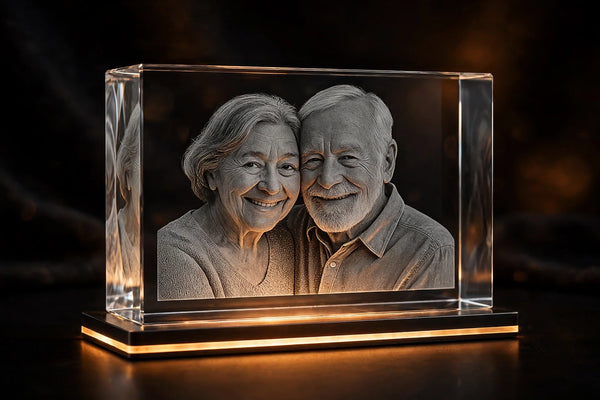
- Custom glass awards engraved with specific achievements
- Experience awards - concert tickets, spa days, adventure experiences
- Symbolic trophies that rotate monthly (like a championship belt)
- Milestone plaques celebrating service anniversaries
- Personalized crystal awards showcasing company values
Sports and Academic Awards:
- Achievement pins that athletes collect over seasons
- Team championship rings (not just for professionals)
- Shadow boxes displaying medals, photos, and memorabilia
- Academic honor cords and distinction certificates
- Custom bobbleheads of award winners (surprisingly popular!)
Community and Volunteer Recognition:
- Handcrafted local artist awards supporting community
- Living awards - planted trees with dedication plaques
- Legacy awards creating scholarships in recipient's name
- Time capsule honors preserving achievements for future generations
The Dark Side: When Awards Backfire
Recognition programs can actually decrease motivation when:
1. They feel manipulative or controlling External rewards can undermine intrinsic motivation—a phenomenon called "overjustification effect." If someone loves their work, adding rewards may shift their focus from genuine interest to external validation.
2. Awards become expected entitlements When everyone gets a trophy regardless of effort, recognition loses meaning. Balance inclusion with maintaining achievement standards.
3. Competition damages collaboration Single-winner formats in team environments can breed resentment. Solution: Create multiple award categories celebrating different strengths.
4. Recognition feels insincere or political Transparency in selection criteria and diverse selection committees prevent awards from seeming like favoritism.
Designing an Effective Recognition Program: The Research-Backed Framework
Step 1: Define Clear Criteria
What behaviors and outcomes deserve recognition? Align with organizational values and goals.
Step 2: Make It Frequent
Monthly or quarterly awards maintain motivation better than annual ceremonies. Recognition loses impact when delayed.
Step 3: Personalize the Award
Generic plaques feel obligatory. Custom trophies, personalized messages, and thoughtful presentation multiply impact.
Step 4: Create Public Celebration
Social recognition amplifies individual awards. Ceremonies, newsletters, and social media announcements extend the dopamine boost through social validation.
Step 5: Include Peer Recognition
Bottom-up recognition often matters more than top-down. Implement systems where colleagues can nominate and celebrate each other.
Step 6: Track and Adjust
Survey recipients and non-recipients. Does recognition correlate with retention and performance? Iterate based on data.
The ROI of Recognition: Numbers That Matter
Investing in quality awards and recognition programs delivers measurable returns:
- Gallup: Companies with strong recognition cultures see 21% higher profitability
- SHRM: 79% of employees cite lack of appreciation as reason for leaving jobs
- Bersin & Associates: Organizations with recognition programs have 31% lower turnover
- Harvard Business Review: Teams receiving regular recognition show 14% higher productivity
The average cost of replacing an employee ranges from 50-200% of annual salary. A comprehensive trophy and award program costing $10,000 annually easily justifies itself by retaining just 1-2 employees.
Trophy Trends: What's Hot in 2025
Award design evolves with culture. Current trends include:
Sustainable Awards: Recycled glass, reclaimed wood, and eco-friendly materials appeal to environmentally conscious recipients.
Tech-Integrated Trophies: QR codes linking to achievement videos or augmented reality experiences merge physical and digital recognition.
Artisan Custom Awards: Handcrafted, one-of-a-kind pieces from local artists replace mass-produced generic trophies.
Experiential Recognition: Awards bundled with experiences (dinner, travel, courses) create lasting memories beyond shelf displays.
Minimalist Modern Design: Clean lines, quality materials, and understated elegance replace ornate traditional trophy styles.
Making It Personal: The Power of Customization
Generic awards say "you're part of the system." Custom awards say "we see you."
Consider:
- Engraving not just names but specific accomplishments
- Incorporating recipient's interests or hobbies into design
- Using company colors, logos, and brand elements
- Including handwritten notes from leadership
- Creating award "collections" that build over time
Conclusion: Recognition as Culture, Not Transaction
The most powerful recognition programs transcend trophies and awards—they build cultures where appreciation flows naturally and achievement is genuinely celebrated.
A trophy is never just a trophy. It's a story, a memory, a neural pathway, and a cultural artifact. It represents the moment someone felt truly seen and valued.
Whether you're implementing employee recognition programs, designing sports awards for youth leagues, or selecting the perfect corporate achievement trophy, remember: you're not just giving an object. You're creating a psychological anchor that shapes identity, motivates behavior, and builds community.
The question isn't whether recognition matters—neuroscience and organizational psychology have settled that debate. The question is: How will you make recognition meaningful in your context?